Understand the place
Begin with the land, utility system, watershed, habitat, transportation network, nearby uses, and the people who know the place best.
A shared baseline for decisions
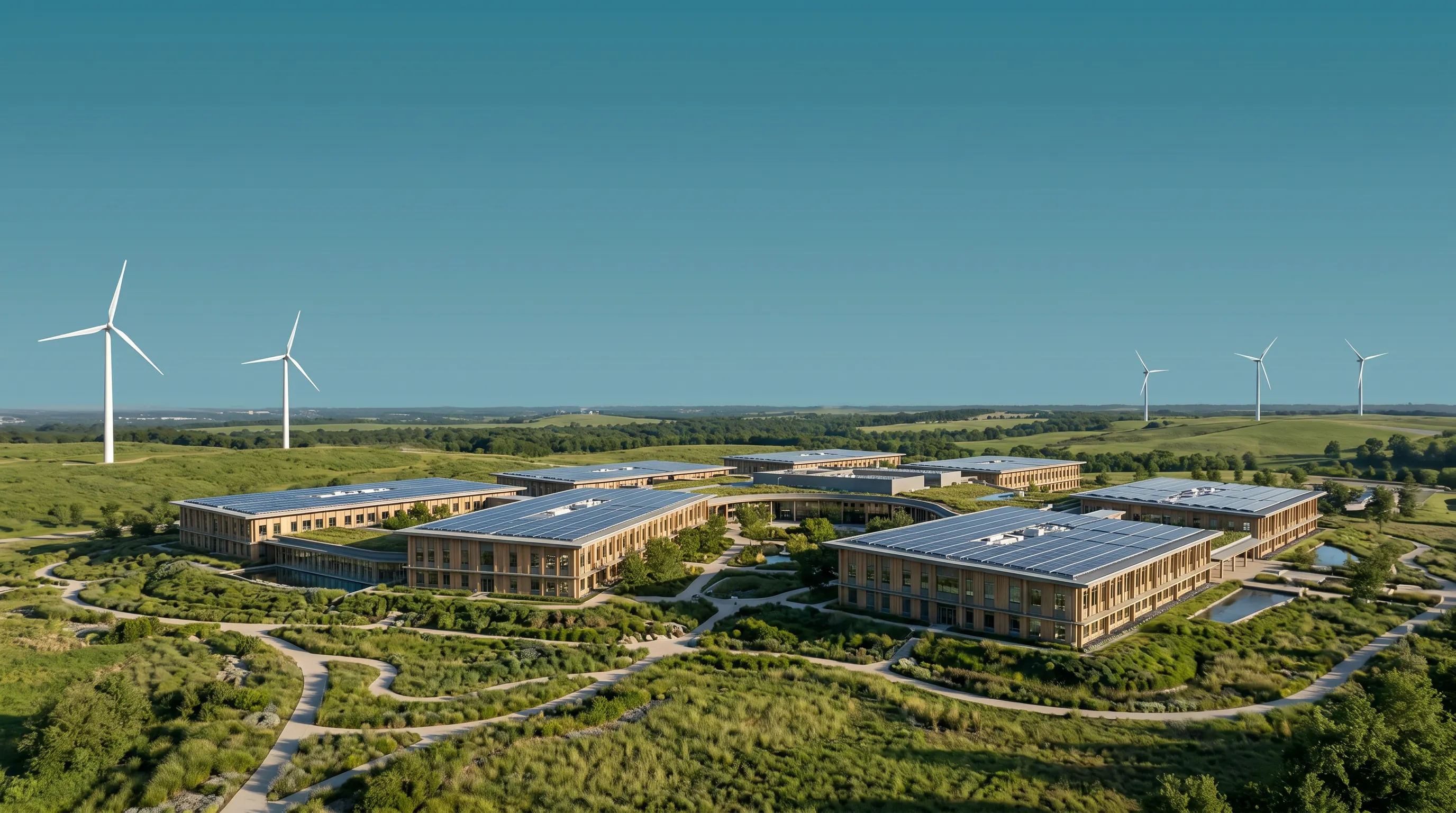
A project approach that connects place, infrastructure, sustainability, community context, and accountable delivery.
Responsible data center development starts by understanding the place before defining the project.
We bring land, energy, water, ecology, infrastructure, sound, construction, operations, and community context into one decision process. The aim is not to add sustainability at the end. It is to shape a project that can support durable digital capacity with a lighter local footprint.
Read our sustainability standardsOur approach keeps environmental conditions, infrastructure realities, community context, and delivery accountability connected from the first site conversation through ongoing operations.
Begin with the land, utility system, watershed, habitat, transportation network, nearby uses, and the people who know the place best.
A shared baseline for decisions
Evaluate whether the site, infrastructure, resource demands, operating profile, and full-buildout plan can work together responsibly.
Clear criteria before design advances
Compare energy, cooling, water, sound, landscape, materials, resilience, and construction choices as one connected project.
Tradeoffs made visible
Translate project decisions into responsibilities, schedules, commissioning plans, monitoring, and durable commitments.
A traceable path from intent to result
Use measured performance and ongoing local context to identify drift, respond to concerns, and improve the campus over time.
Long-term performance, not launch-day promises
A viable site is more than available acreage. We consider access to infrastructure alongside land disturbance, water conditions, habitat, sensitive neighbors, transportation, and long-term campus fit.
Why here? What changes? What should remain protected?
Power, water, wastewater, communications, roads, and emergency services shape what a project can responsibly support. Capacity, timing, upgrades, and accountability belong in the early conversation.
What is available? What must be added? Who is responsible?
Local priorities and existing conditions should inform siting, setbacks, landscape, sound, traffic, construction planning, and the way project information is communicated.
Who is affected? What evidence is needed? How will concerns be addressed?
Project principles become credible when they have a defined boundary, responsible party, measurement method, reporting schedule, and corrective path.
What will be measured? When? By whom? What happens next?

Sites planned around lower-impact energy infrastructure and long-term resilience.

Efficient systems considered as part of the campus—not added as an afterthought.

Landscape and community context treated as core infrastructure decisions.
Start with credible local baselines. Define project criteria before major choices become fixed. Compare connected tradeoffs, document responsibilities, commission the completed systems, measure material performance, and keep improving after operations begin. Review the evidence communities should request across the full community-impact guide and the focused grid-impact guide.


Tell us what you are planning and where. We will start with the site, infrastructure, environmental, and community conditions that should shape the work.