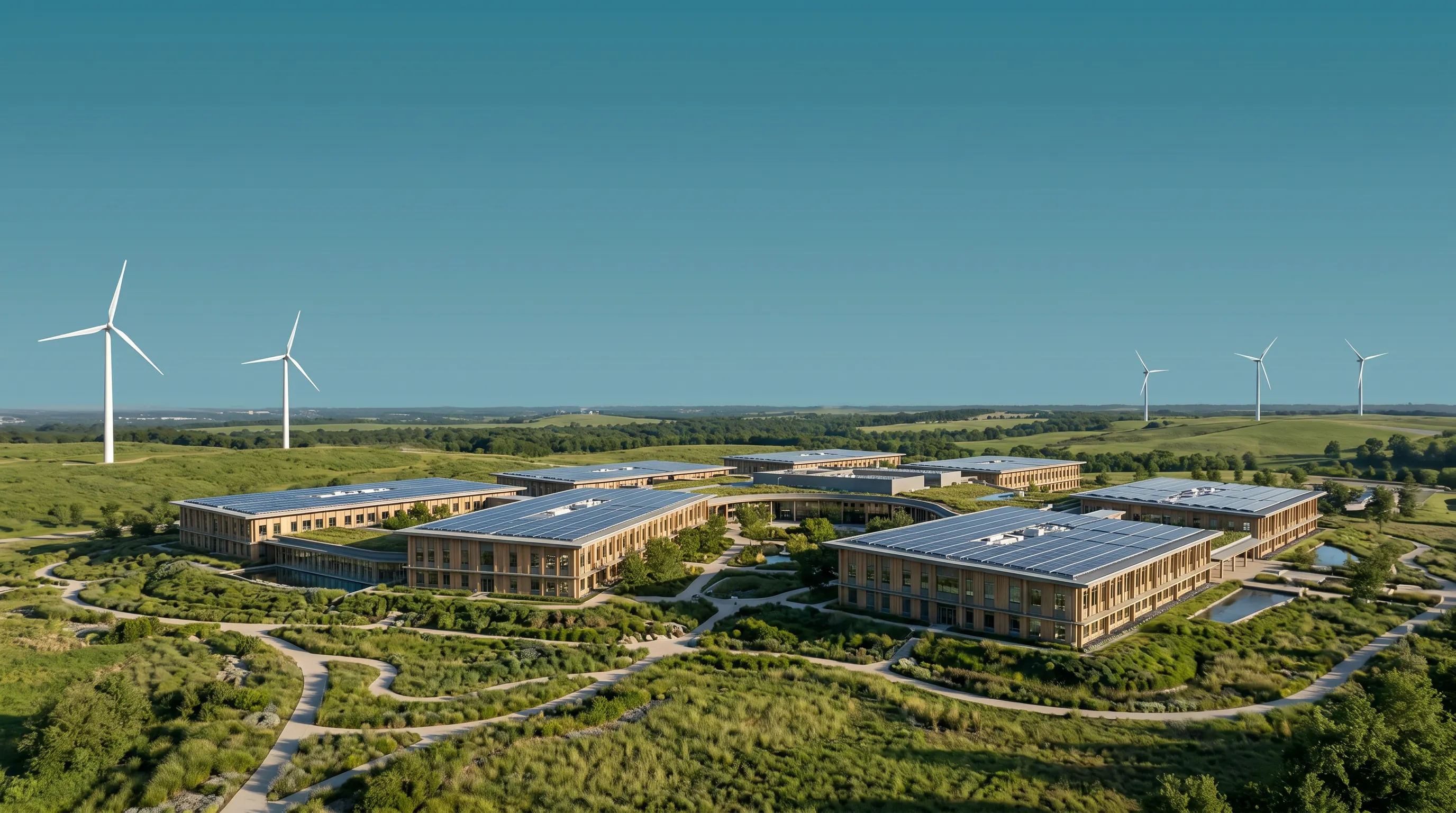
Data center mechanical systems and landscape considered through acoustic design

Data center noise should be designed at the receiver.

Measure the baseline, model credible operating scenarios, control the source and path, then verify the result where people experience it.

Data center sound can come from cooling equipment, fans, transformers, pumps, generators, vehicles, and construction.

How far it travels depends on source strength and frequency, distance, barriers, terrain, weather, operating mode, and existing background sound. One decibel number is not enough: level, frequency content, tonality, time pattern, and operating scenario all matter.

Return to the Resource Center

Design from source to receiver.

A credible plan establishes existing conditions, models normal and worst credible operations, evaluates low-frequency and tonal characteristics, commits to mitigation before equipment is ordered, and verifies performance after construction.

Ask the developerWhat is quiet today?Request this evidenceBaseline monitoring at representative receptors.A credible response containsDay, evening, and night data; weather; location; duration; dBA plus frequency-sensitive information.
Ask the developerWhat will operate together?Request this evidenceEquipment list and operating scenarios.A credible response containsNormal, peak, testing, commissioning, maintenance, and emergency cases.
Ask the developerHow was sound predicted?Request this evidenceAcoustic model and source data.A credible response containsTerrain, buildings, barriers, receptor heights, meteorology, uncertainty, and worst credible assumptions.
Ask the developerAre low-frequency and tonal effects addressed?Request this evidencedBC, octave or one-third-octave data, and a tonality method.A credible response containsDesign criteria that do not rely only on a single dBA value.
Ask the developerHow will mitigation work?Request this evidenceSource-path-receiver control schedule.A credible response containsQuantified reductions, responsible designer, and controls included before final equipment selection.
Ask the developerHow will compliance be verified?Request this evidenceCommissioning test plan.A credible response containsReceptor locations, operating conditions, weather limits, qualified personnel, reporting, and corrective action.

The Good Neighbor Data standard.

Begin acoustic design before the site plan and equipment layout are fixed. Establish the baseline; identify sensitive receptors; model normal and worst credible operations; evaluate dBA, dBC, frequency content, tonality, and vibration where relevant; prioritize source controls; and commission the completed facility under defined conditions.

Frequently asked questions.

How far does data center noise travel?

There is no fixed distance. Propagation depends on equipment, frequency spectrum, elevation, barriers, terrain, weather, operating schedule, and background sound. Project-specific modeling should evaluate the nearest and most sensitive receptors, then field testing should verify the completed design.

What causes the hum near a data center?

Potential sources include fans, cooling equipment, transformers, pumps, and generators. A hum may involve tonal or low-frequency sound that is not fully described by dBA alone. Frequency analysis helps identify the source and select effective mitigation.

Why measure both dBA and dBC?

dBA is widely used for overall environmental sound. dBC retains more low-frequency energy. Comparing them can reveal a low-frequency component, but a qualified acoustical professional may also need octave-band or one-third-octave analysis and a tonality method.

Should generator testing be treated like an emergency?

No. Routine testing is planned and can be scheduled, limited, modeled, and mitigated. Emergency operation is a separate reliability scenario. Review documents should distinguish the two clearly.

Bring the project context.

Discuss a project