Computing equipment
Servers, storage systems, and specialized processors run applications, store information, and perform computing work.
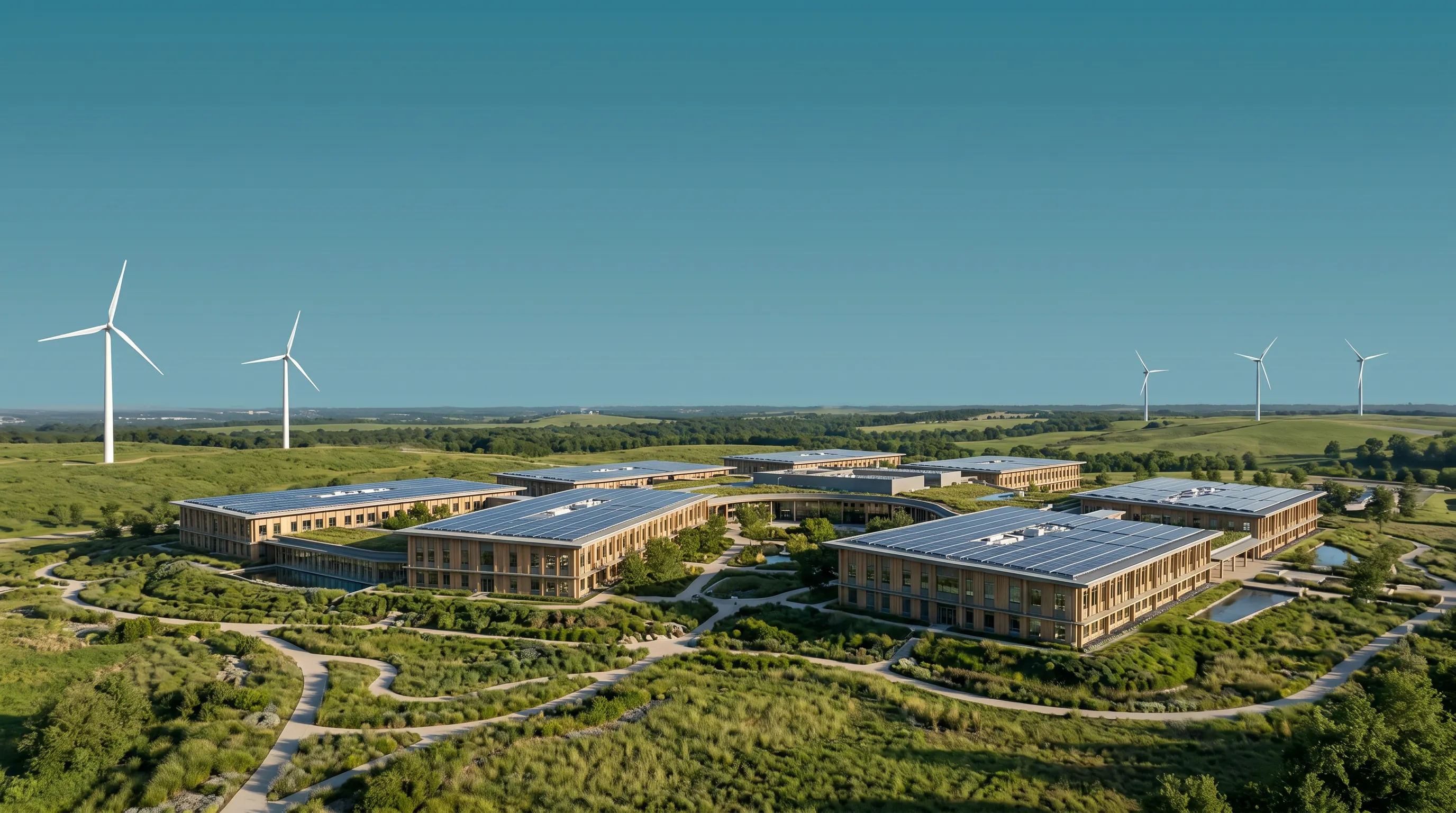
Guidance for evaluating water, energy, sound, land, infrastructure, and local impacts before commitments are made.
A responsible data center is defined by local fit, transparent tradeoffs, and commitments that can be measured.
Every community begins with different infrastructure, land-use priorities, water conditions, utility constraints, and nearby receptors. These resources organize the questions that should be answered before approval—and the evidence that makes an answer credible.
Review our standardsA data center is a facility that houses computing and network equipment used to store, process, and transmit digital information.
The computers are only one part of the system. A working facility also depends on electricity, cooling, connectivity, backup systems, operations, security, and the roads and utility infrastructure around the site. Size and impact vary widely with workload, design, climate, location, and operating plan.
Servers, storage systems, and specialized processors run applications, store information, and perform computing work.
Fiber, switches, routers, and telecommunications equipment move data between the facility, users, other data centers, and cloud services.
Utility service, substations, electrical distribution, batteries, uninterruptible power systems, and backup generation keep equipment operating.
Air, liquid, chilled-water, evaporative, dry, or hybrid systems remove heat. Energy and water effects depend on the complete design and local conditions.
Monitoring, controls, redundancy, maintenance, fire and life safety, emergency planning, and physical security support reliable operation.
Buildings, roads, substations, transmission, water and wastewater systems, stormwater, lighting, security, and landscape buffers form the full local footprint.
This short Associated Press animation introduces data center computing, electricity, cooling, and the additional processing used by artificial intelligence systems.
Included for education. Water, electricity, carbon, and infrastructure effects vary by facility and location and should be evaluated with project-specific evidence.
Open on YouTubeEvaluate electricity, water, air, sound, land, infrastructure, public services, jobs, taxes, and long-term accountability as one connected local system.
Evaluate community impactCompare eight operating U.S. facilities with public evidence on water, energy efficiency, renewable electricity, community benefit, and disclosure gaps.
Compare the evidenceCompare Fluidstack, Crusoe, and Lambda—and identify who controls the land, power, financing, buildings, cooling, GPUs, and long-term obligations.
Compare the modelsFollow demand from applications through Databricks-like platforms, cloud regions, facility developers, utilities, and physical data centers.
Trace the stackUnderstand electricity demand, interconnection, grid upgrades, cost allocation, flexibility, reliability, and ratepayer protection.
Evaluate grid impactUnderstand direct and indirect water use, cooling tradeoffs, watershed context, WUE, peak demand, and reporting.
Measure water useUnderstand cooling, transformer, and generator sound; dBA and dBC; baseline studies; modeling; mitigation; and verification.
Evaluate noiseUse a practical review checklist covering the site, water, power, sound, air, traffic, finance, emergency response, reporting, and closure.
Use the checklistSee how site fit, infrastructure, environmental performance, community context, commissioning, and accountability shape a project from the start.
Explore the approachOriginal Good Neighbor Data audio briefings and selected external discussions on sustainable infrastructure, community response, AI demand, efficiency, and the decisions shaping data center development.
Our original episodes are educational and AI-narrated. External episodes are included for education; Good Neighbor Data did not produce them, and facility or market claims should be evaluated against project-specific evidence.
Original briefing · Episode 1
A practical audio briefing on local fit, power, water, sound, land, public value, and the measurable commitments that turn project promises into accountability.
Original Good Neighbor Data briefing, narrated with an AI-generated voice. Educational content; not legal, engineering, utility, environmental, fiscal, or planning advice.

Good Neighbor Data audio briefing
What makes a data center a good neighbor?Original briefing · Episode 2
A fact-checked history of the companies behind hyperscale growth, what they are building next, and why even the largest owner-operators lease enormous blocks of wholesale capacity when speed matters.
Original Good Neighbor Data briefing, narrated with an AI-generated voice. Figures and announced plans are current as of July 13, 2026 and may change. Educational content; not legal, engineering, utility, environmental, fiscal, investment, or planning advice.

Good Neighbor Data audio briefing
AWS, Azure, Google Cloud, Meta, and OracleOriginal briefing · Episode 3
A concise guide to the physical forms, deployment methods, network roles, and operating models commonly grouped under “types of data centers”—plus the questions communities should ask about each.
Original Good Neighbor Data briefing, narrated with an AI-generated voice. Educational content; not legal, engineering, utility, environmental, fiscal, or planning advice.

Good Neighbor Data audio briefing
Above ground, underground, modular, edge, and moreSourceForge speaks with Delska CTO Rihards Kaletovs about AI infrastructure, data sovereignty, liquid cooling, energy efficiency, and a new 10-megawatt data center in Latvia.
Open on YouTubeThe Green Data Center Podcast examines growing concern about electricity, water, noise, and land impacts—and the moratoria, zoning restrictions, and delivery pressures following that growth.
Open on SpotifyGet new Good Neighbor Data audio briefings and selected podcast updates on responsible data center development. Occasional updates, no noise.
| Ask the developer | Request this evidence | A credible response contains |
|---|---|---|
| Ask the developerWhat changes locally? | Request this evidenceExisting-condition baselines and project scenarios. | A credible response containsSeparates current conditions from construction, normal operation, peak operation, testing, and emergencies. |
| Ask the developerWho carries the cost? | Request this evidenceUtility, infrastructure, fiscal, and service-impact analyses. | A credible response containsIdentifies responsibility for upgrades, operations, maintenance, and long-term obligations. |
| Ask the developerHow will performance be checked? | Request this evidenceDesign criteria, commissioning plan, monitoring method, and reporting schedule. | A credible response containsDefines what is measured, where, when, by whom, and what happens if results miss the commitment. |
| Ask the developerWhat remains uncertain? | Request this evidenceAssumptions, ranges, model inputs, and data limitations. | A credible response containsStates uncertainty plainly and updates the analysis as design and operating information improves. |
We translate environmental and community responsibility into decisions that can be evaluated. A project standard should identify the decision, the local context, the metric or evidence, and the method for verification. Accountability over slogans.
A responsible project evaluates local effects before design choices are fixed, reports assumptions and tradeoffs, assigns responsibility for infrastructure and mitigation, and verifies performance after construction. The answer depends on the site; one metric or technology cannot describe the whole project.
No. Water and energy choices are connected. A lower-water design can use more electricity, while evaporative cooling can reduce cooling energy but consume more water. The credible question is whether the project minimizes total impact for its site and operating plan.
Start with the full buildout: acreage, building area, expected load, cooling method, average and peak water demand, wastewater, backup generation, sound sources, construction schedule, utility upgrades, emergency response, fiscal assumptions, and the party responsible for each commitment.
No. They are decision aids, not legal advice or a substitute for local technical, utility, planning, environmental, fiscal, or legal review. Authority and appropriate requirements vary by jurisdiction.
Last updated July 2026. Review technical and policy information for the specific site, jurisdiction, utility territory, and operating plan.